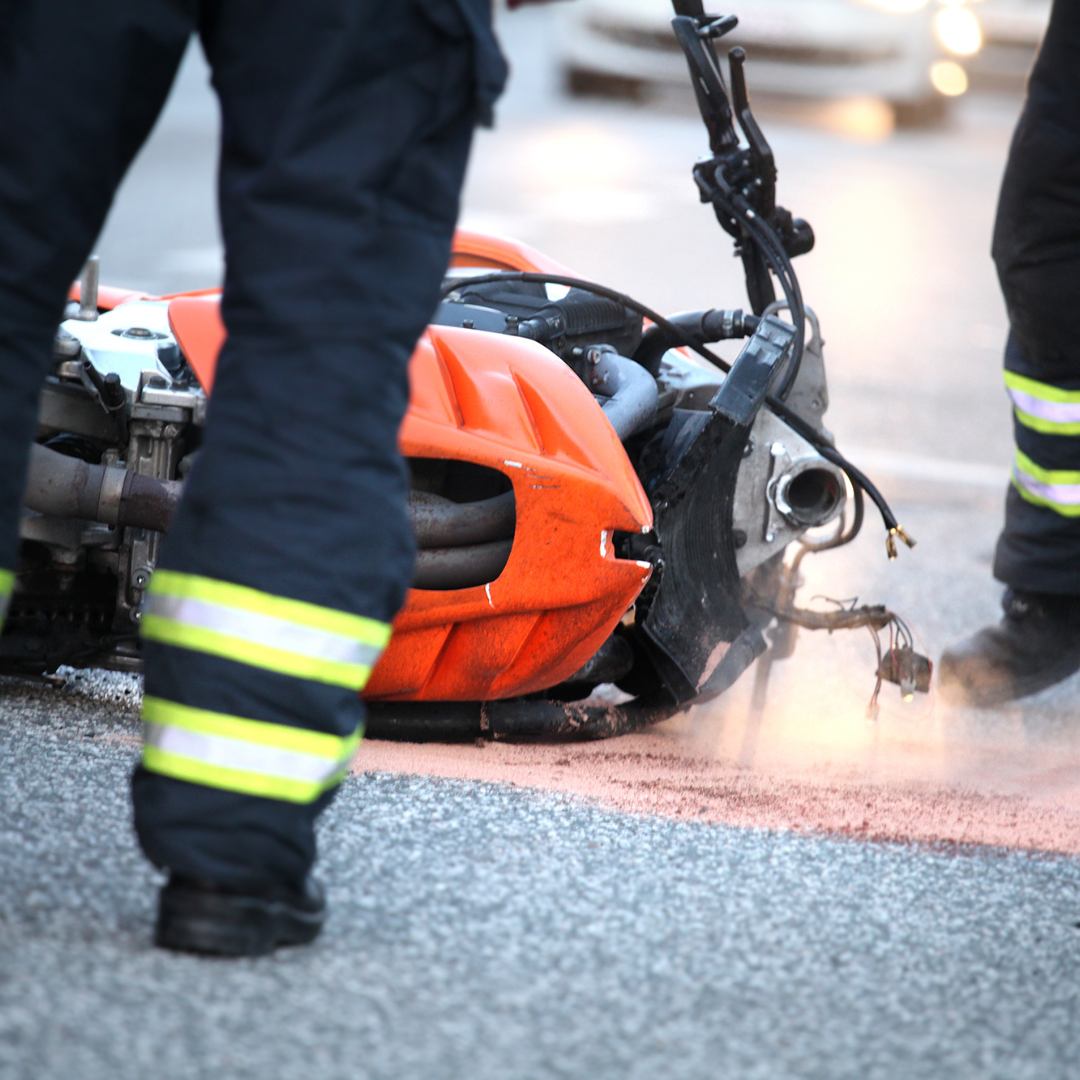
ehicular accident response refers to the emergency actions taken by rescue teams to provide immediate assistance and medical care to individuals involved in car accidents or other vehicular incidents. These operations aim to mitigate injuries, extricate trapped individuals, and transport them to appropriate medical facilities for further treatment.
Vehicular accident response typically involves the following key aspects:
1. Scene Assessment and Safety: Upon arrival at the accident scene, rescue teams assess the situation to identify any immediate hazards, such as fuel leaks, electrical wires, or unstable vehicles. They establish a safe perimeter and implement traffic control measures to protect both the victims and the rescuers.
2. Medical Assistance: Rescuers quickly evaluate the medical needs of the victims and provide immediate first aid and medical care. They prioritize treating life-threatening injuries and stabilize the individuals' conditions before extrication and transport. Emergency medical technicians (EMTs) or paramedics administer necessary interventions, such as CPR, wound management, or immobilization, depending on the injuries sustained.
3. Extrication: In cases where individuals are trapped inside vehicles due to deformation or entrapment, specialized extrication techniques are employed. Rescue personnel use hydraulic tools, such as the Jaws of Life, to safely remove doors, roofs, or other vehicle parts, creating access points to extricate the victims. Care is taken to minimize further injury and maintain the stability of the vehicle during the extrication process.
4. Transportation and Handover: Once the victims are extricated, they are carefully transferred to ambulances or medical helicopters for transportation to appropriate medical facilities. Rescuers provide a comprehensive handover to the medical personnel, detailing the victims' conditions, treatment provided, and any additional relevant information.
5. Traffic Management and Investigation Support: Alongside providing immediate assistance, rescue teams may assist in managing traffic flow around the accident site to ensure the safety of all involved. They may also collaborate with law enforcement or accident investigation teams by providing information or preserving evidence related to the incident.
Effective vehicular accident response requires well-trained rescue personnel, specialized equipment, and close coordination with medical services and law enforcement agencies. It emphasizes swift response times, systematic triage and treatment, and efficient extrication techniques to minimize the impact of injuries sustained in vehicular accidents.
By promptly and effectively responding to vehicular accidents, rescue teams can save lives, prevent further injuries, and provide critical support to individuals in distress, ultimately improving the overall outcomes for accident victims.