Stroke management in rescue refers to the immediate actions taken by medical and rescue personnel to provide timely and appropriate care to individuals experiencing a stroke. A stroke is a medical emergency that occurs when blood flow to the brain is interrupted, resulting in the loss of brain function.
Effective stroke management involves the following key aspects:
1. Recognition and Assessment: Rescuers are trained to recognize the signs and symptoms of a stroke, such as sudden weakness or numbness in the face, arm, or leg, difficulty speaking or understanding speech, severe headache, or loss of coordination. Upon identifying potential stroke symptoms, they assess the individual's condition, including their level of consciousness, vital signs, and any other accompanying medical issues.
2. Activation of Emergency Medical Services: As soon as a stroke is suspected, rescuers promptly activate emergency medical services to ensure rapid transportation to a hospital equipped with stroke care capabilities. Time is of the essence in stroke management, as early intervention can significantly improve the patient's outcomes.
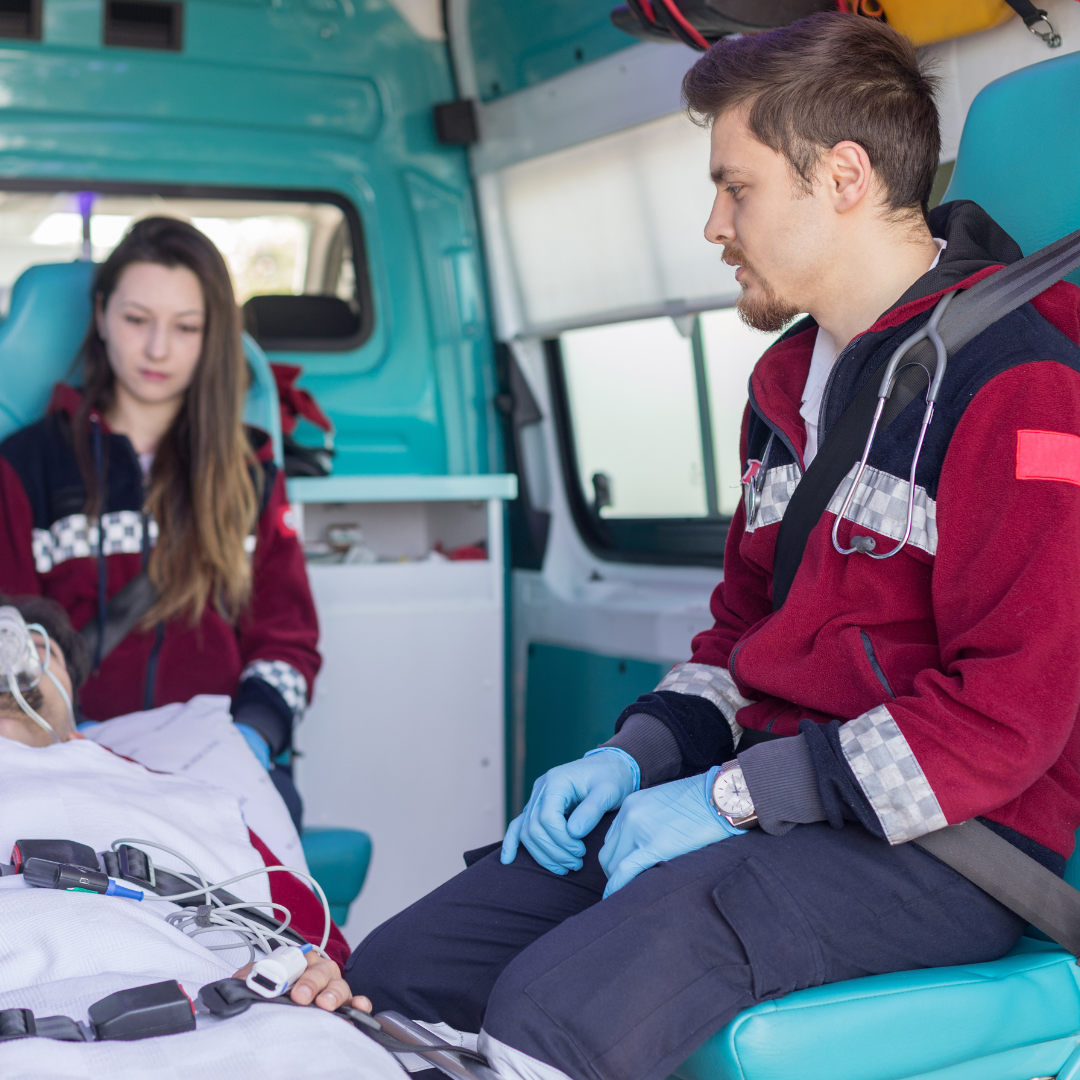
3. Supportive Care: Rescuers provide immediate supportive care to the individual while waiting for medical professionals to arrive. This may include ensuring a patent airway, maintaining oxygenation, and monitoring vital signs. If necessary, they may administer basic life support interventions, such as cardiopulmonary resuscitation (CPR), if the individual's condition deteriorates.
4. Communication and Information Sharing: Rescuers communicate vital information to emergency medical services, such as the suspected stroke onset time, any pre-existing medical conditions, and relevant medical history. This information assists medical professionals in determining the appropriate treatment and expediting stroke management upon arrival at the hospital.
5. Transport and Handover: Rescuers carefully transfer the individual to the ambulance, ensuring their safety and minimizing further harm. They provide a comprehensive handover to the medical personnel, relaying all relevant information regarding the individual's condition, assessment findings, and any interventions performed.
Stroke management requires close collaboration among rescuers, emergency medical services, and stroke care specialists at the receiving hospital. Prompt recognition, early activation of emergency services, and efficient transport are critical for initiating time-sensitive interventions, such as clot-busting medications or mechanical thrombectomy, which aim to restore blood flow to the brain and reduce brain damage.
By implementing effective stroke management protocols, rescuers contribute to the timely delivery of appropriate medical care, improving the chances of recovery and minimizing long-term disabilities associated with strokes.