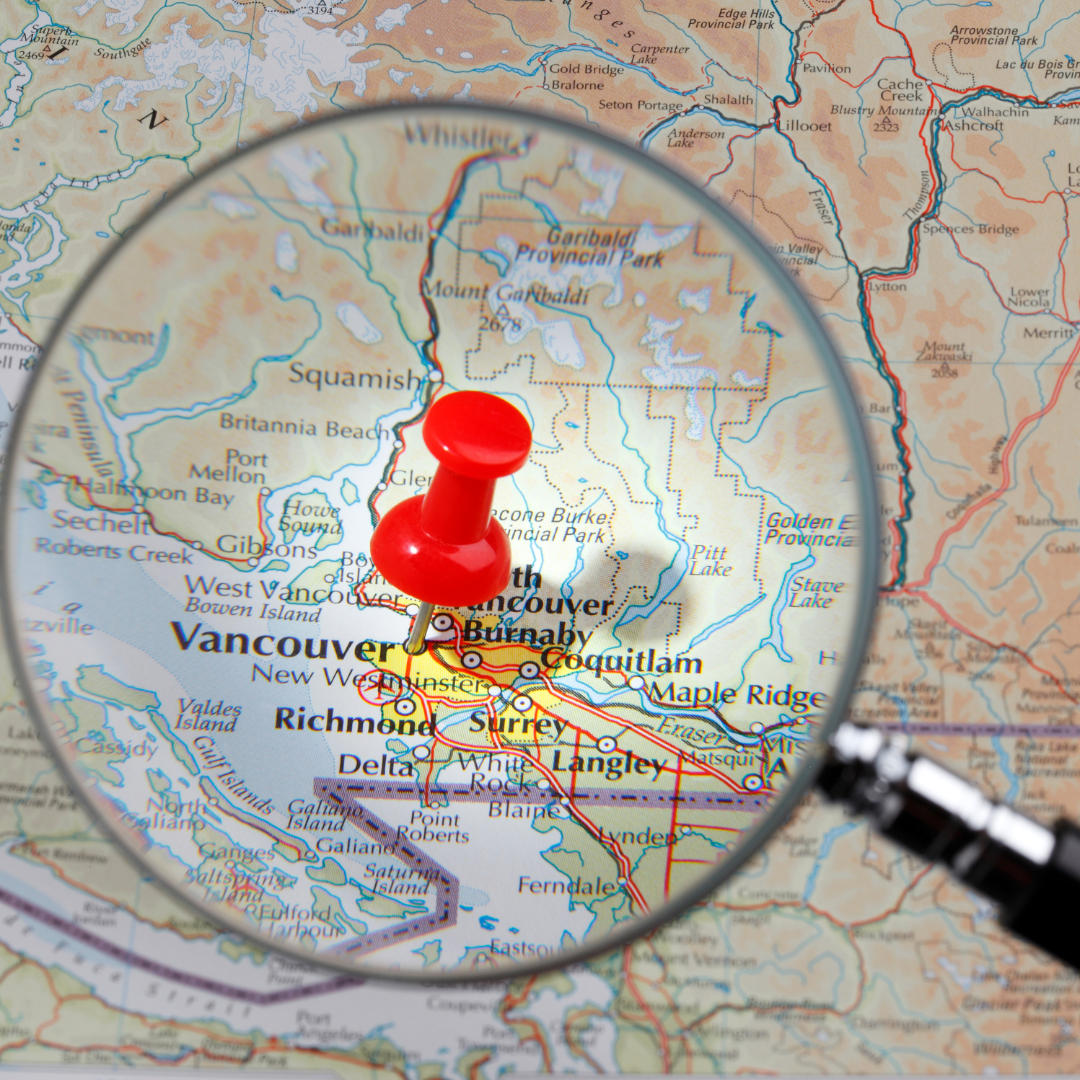
Mapping and marking are essential techniques used in rescue operations to efficiently navigate and communicate important information within the rescue site. These methods help rescuers keep track of their movements, locate victims, identify hazards, and maintain coordination among team members.
Mapping involves creating a visual representation of the rescue site, including its layout, structural details, and any significant features or obstacles. Rescuers use various tools like paper maps, digital mapping software, or handheld GPS devices to record and update the map as they progress through the operation. Mapping enables rescuers to plan routes, establish designated areas, and document important information, such as the location of victims, hazards, and access points.
Marking refers to the use of visual indicators or signage to communicate critical information within the rescue site. Rescuers place markers or tags, usually with specific colors or symbols, to denote different meanings. These markers can indicate the presence of hazards, the location of victims, cleared areas, or specific instructions for the rescue team. They serve as visual cues that guide rescuers and ensure efficient communication, especially in challenging or low-visibility environments.
Common marking techniques include using tape, spray paint, chalk, or specialized markers that are easily visible and durable. For example, colored ribbons or tapes can be tied to door handles or other objects to indicate searched areas or cleared paths. Similarly, symbols or specific patterns can be painted on walls or surfaces to indicate hazards or provide information about the condition of the structure.
Mapping and marking techniques enhance the overall effectiveness and safety of rescue operations. They enable rescuers to maintain situational awareness, improve communication, and reduce the risk of duplication of efforts. By utilizing these techniques, rescue teams can navigate complex environments more efficiently, allocate resources effectively, and increase the chances of successfully locating and rescuing individuals in need.