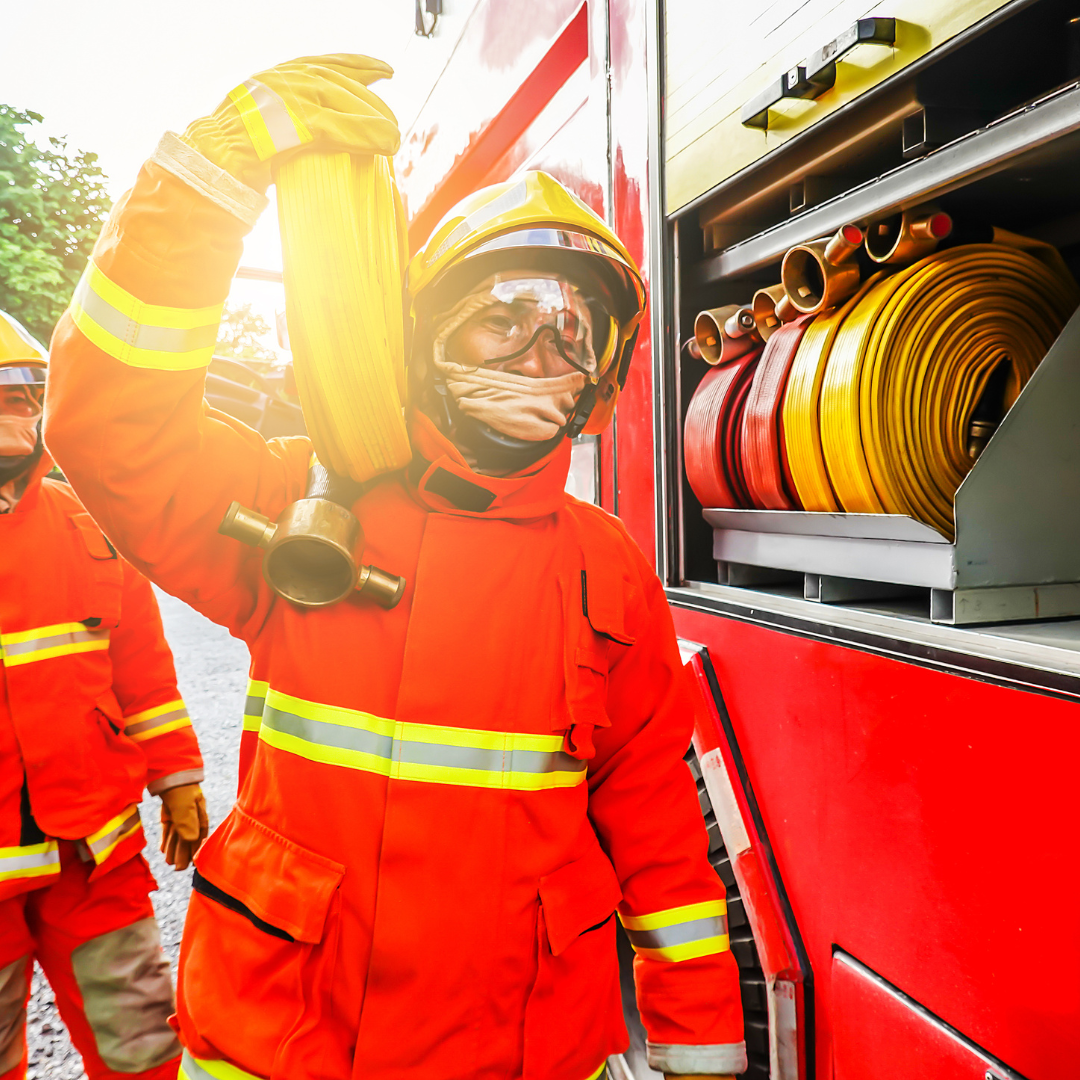
Fire safety and rescue are crucial components of rescue operations, particularly in situations where there is a fire or a risk of fire. The primary objective of fire safety and rescue is to protect lives, minimize property damage, and extinguish or control the fire.
In a rescue operation involving fire, the safety of both the victims and the rescuers is paramount. Rescuers are trained in firefighting techniques and equipped with specialized gear to handle fire-related emergencies. They follow established protocols and safety procedures to ensure effective firefighting while minimizing risks.
Fire safety and rescue involve several key aspects:
1. Fire Prevention: This includes educating the public about fire safety, promoting fire prevention measures, and enforcing fire codes and regulations. Fire prevention efforts aim to reduce the occurrence of fires and minimize the need for rescue operations in the first place.
2. Fire Suppression: When a fire occurs, the rescue team's primary objective is to suppress or extinguish the fire. They employ various firefighting techniques, such as using fire extinguishers, hoses, and other firefighting equipment, to control the flames. The team focuses on preventing the fire from spreading and creating a safe environment for rescue operations.
3. Search and Rescue: In fire-related emergencies, there may be individuals trapped or in need of assistance within the affected area. Firefighters and rescue personnel conduct systematic searches to locate and evacuate victims. They prioritize high-risk areas and use specialized tools and techniques, such as thermal imaging cameras, to locate individuals in smoke-filled environments.
4. Evacuation and Sheltering: Fire safety and rescue operations also involve evacuating people from the affected area to a safe location. Rescuers guide and assist individuals in exiting the building or hazardous area, ensuring their safety during the evacuation process. They may establish temporary shelters or provide medical assistance as needed.
5. Hazard Mitigation: Rescuers identify and mitigate hazards associated with the fire, such as structural instability, gas leaks, or potential explosions. They take necessary precautions to ensure the safety of all personnel involved in the rescue operation.
Fire safety and rescue require close coordination and communication among various agencies, including fire departments, emergency medical services, and law enforcement. These teams work together to assess the situation, implement firefighting strategies, conduct rescue operations, and provide medical care to those affected.
Overall, fire safety and rescue operations are vital in safeguarding lives and minimizing the damage caused by fires. They involve a combination of prevention, suppression, search and rescue, evacuation, and hazard mitigation to ensure the safety and well-being of both victims and rescuers in fire-related emergencies.