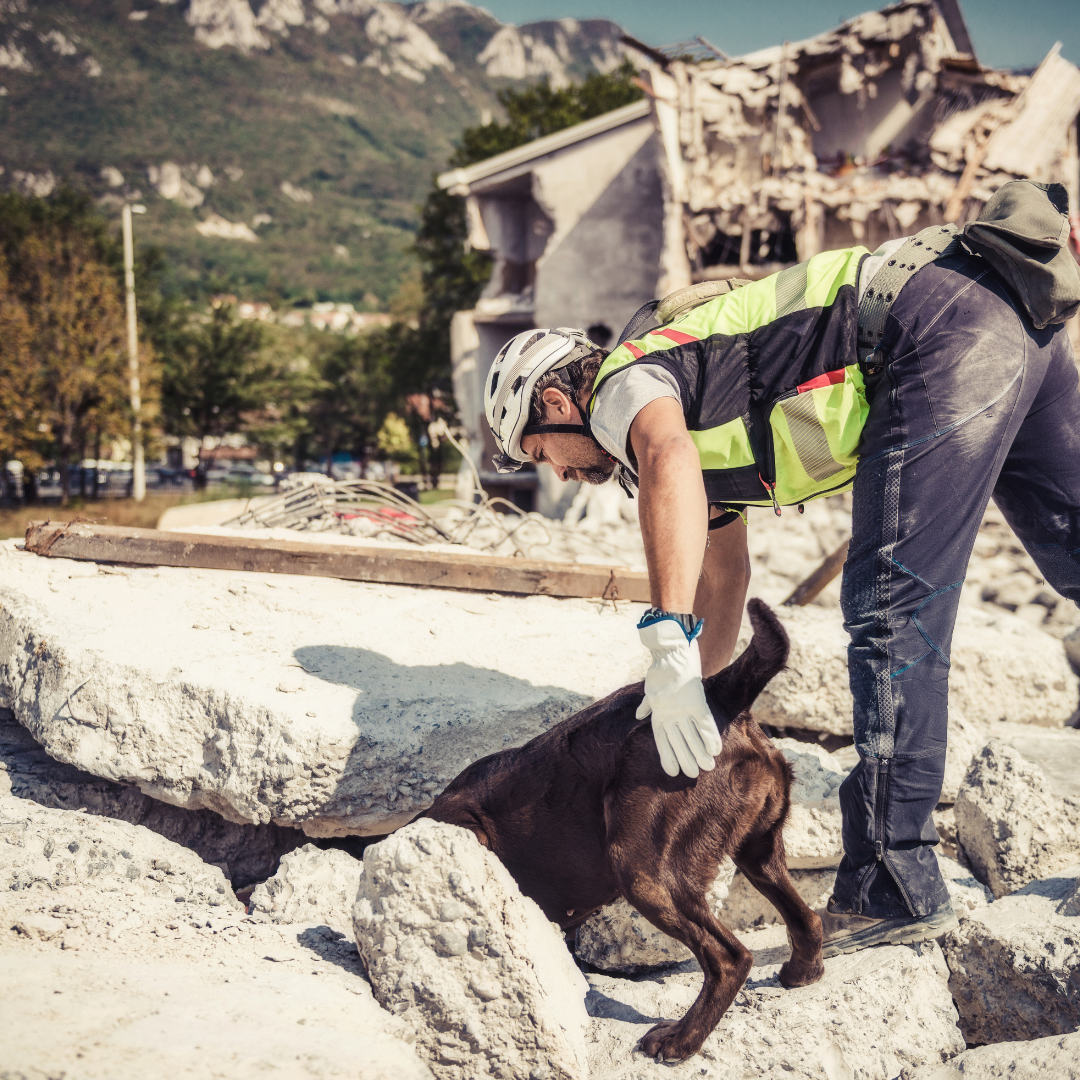
An earthquake is a natural geological event characterized by the sudden release of energy in the Earth's crust, resulting in shaking and vibration of the ground. It is caused by the movement and release of stress along fault lines, tectonic plate boundaries, or volcanic activity.
Key aspects of earthquakes include:
1. Magnitude: Earthquakes are measured on the Richter scale or the moment magnitude scale, which quantifies the energy released during an earthquake. The magnitude scale ranges from minor tremors to major earthquakes of significant destructive potential.
2. Epicenter: The point on the Earth's surface directly above the underground origin of an earthquake is called the epicenter. It is the location where the seismic waves originate and is often used to determine the earthquake's location.
3. Seismic Waves: Earthquakes generate seismic waves that propagate through the Earth. There are different types of seismic waves, including primary (P) waves, secondary (S) waves, and surface waves. These waves cause the ground to shake, resulting in the potential damage and destruction of buildings, infrastructure, and the environment.
4. Aftershocks: Aftershocks are smaller earthquakes that occur in the same region after a main earthquake. They can continue for hours, days, or even months after the initial earthquake, often causing additional damage and adding to the challenges of response and recovery efforts.
5. Earthquake Hazards: Earthquakes can lead to various hazards, including ground shaking, ground rupture, landslides, tsunamis (if the epicenter is in or near water), and secondary effects such as fires and gas leaks. These hazards can cause injuries, loss of life, structural damage, and disruption to essential services.
6. Preparedness and Mitigation: Given the unpredictable nature of earthquakes, preparedness and mitigation measures are crucial. This includes creating awareness, educating the public on earthquake safety, implementing building codes and standards, conducting drills and exercises, and developing early warning systems to minimize the impact of earthquakes.
Effective earthquake response and management involve a coordinated effort between government agencies, emergency services, and communities to ensure rapid response, rescue operations, and recovery efforts for affected areas.