asic Life Support (BLS) refers to a set of essential medical techniques and interventions performed by trained rescuers to sustain life and stabilize the condition of an individual experiencing a life-threatening emergency. BLS is primarily focused on providing immediate care until advanced medical assistance arrives.
Key aspects of Basic Life Support include:
1. Recognition of Emergency: Rescuers are trained to recognize various life-threatening emergencies, such as cardiac arrest, choking, or severe allergic reactions. Prompt recognition of these emergencies is crucial for initiating BLS interventions.
2. Assessing Responsiveness: Rescuers assess the individual's level of consciousness and responsiveness by gently tapping the person and asking if they are okay. If the person is unresponsive, the rescuer quickly activates emergency medical services or asks someone nearby to do so.
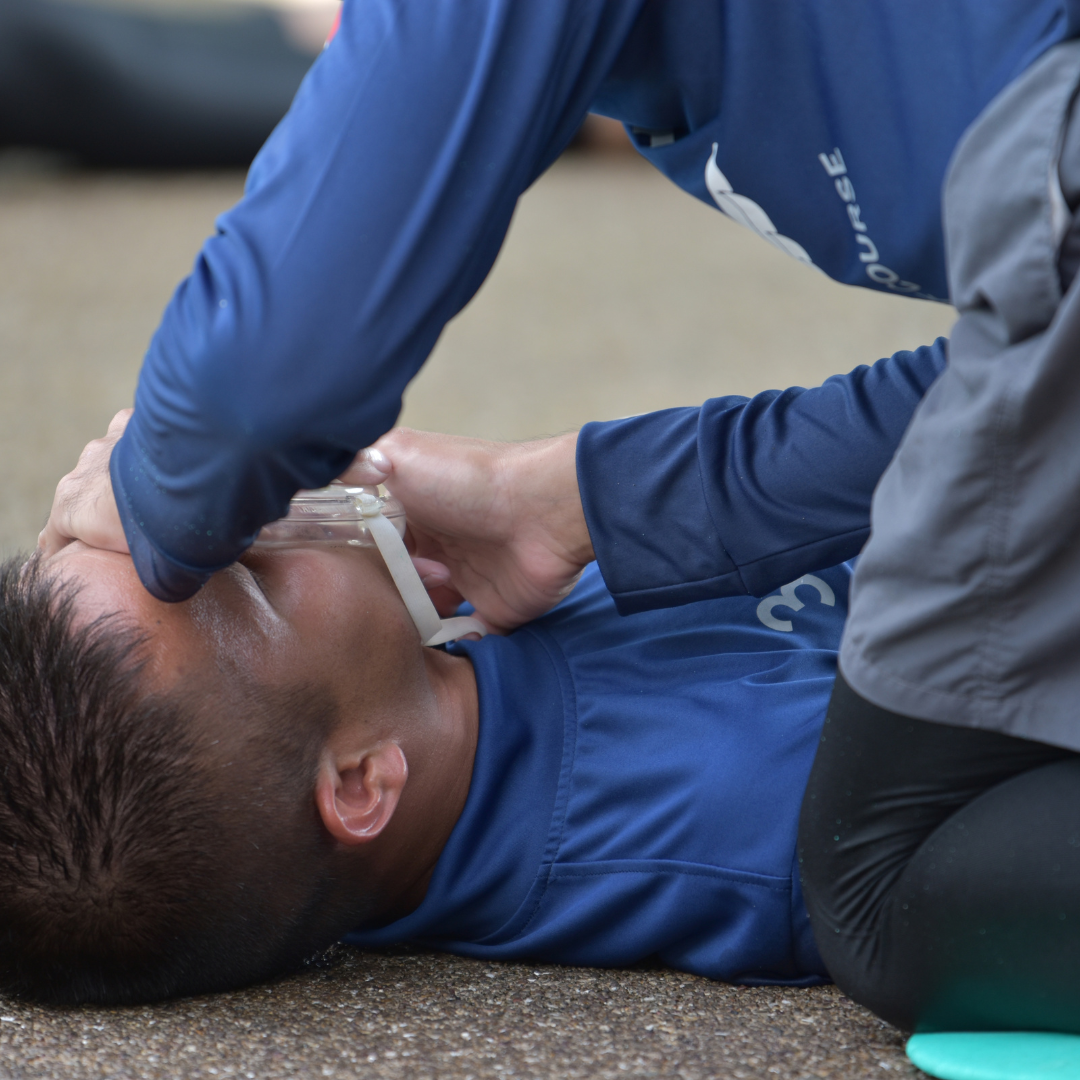
3. Opening the Airway: Maintaining an open airway is vital in BLS. Rescuers tilt the person's head back and lift the chin to open the airway. This helps ensure adequate oxygenation and ventilation.
4. Checking Breathing: Rescuers assess if the individual is breathing normally. They observe for chest rise and fall, listen for breath sounds, and feel for exhaled air. If the person is not breathing or only gasping, rescue breaths are provided.
5. Performing Chest Compressions: In cases of cardiac arrest, rescuers provide chest compressions to circulate blood and oxygen to vital organs. They position their hands on the center of the person's chest and compress at a rate of about 100-120 compressions per minute, with adequate depth.
6. Defibrillation (if available): If an automated external defibrillator (AED) is available, rescuers may use it to analyze the person's heart rhythm and deliver an electric shock, if necessary, to restore a normal heartbeat.
7. Assisting with Choking: If an individual is choking and cannot breathe, rescuers perform abdominal thrusts (Heimlich maneuver) or back blows and chest thrusts in infants.
8. Control of Bleeding: In cases of severe bleeding, rescuers apply direct pressure to the bleeding site using their gloved hands, dressings, or other available materials.
Basic Life Support techniques are based on standardized guidelines and are designed to be easily learned and applied by individuals with minimal medical training. BLS is essential in sustaining life and improving the chances of survival until advanced medical care is available. Regular training and certification in BLS are necessary for rescuers to stay up to date with the latest protocols and techniques.